
Whether you're a novice homebuyer or a property owner looking to refinance your mortgage, the financial logistics of homeownership might have you asking some huge concerns. When considering your mortgage alternatives, among the primary criteria to evaluate is the kind of rates of interest you'll have: a fixed-rate vs. an adjustable-rate mortgage.
Interest is the amount of money your lender charges you for using their services, computed as a portion of your loan amount. Interest rates can be repaired or adjustable. The type of interest rate you choose depends on numerous elements, and the finest kind of loan for your scenario might even alter over time.
From getting your very first mortgage to refinancing for a better rate, this guide will walk you through whatever you require to learn about interest rate types so you'll be a more informed property buyer!
What Is a Fixed-Rate Mortgage?
Fixed rate of interest stay the very same throughout the life of the loan. Mortgages generally last for 10-30 years, depending upon your financial objectives and payment strategy. Of the two primary classifications, fixed-rate mortgages are the more simple option.
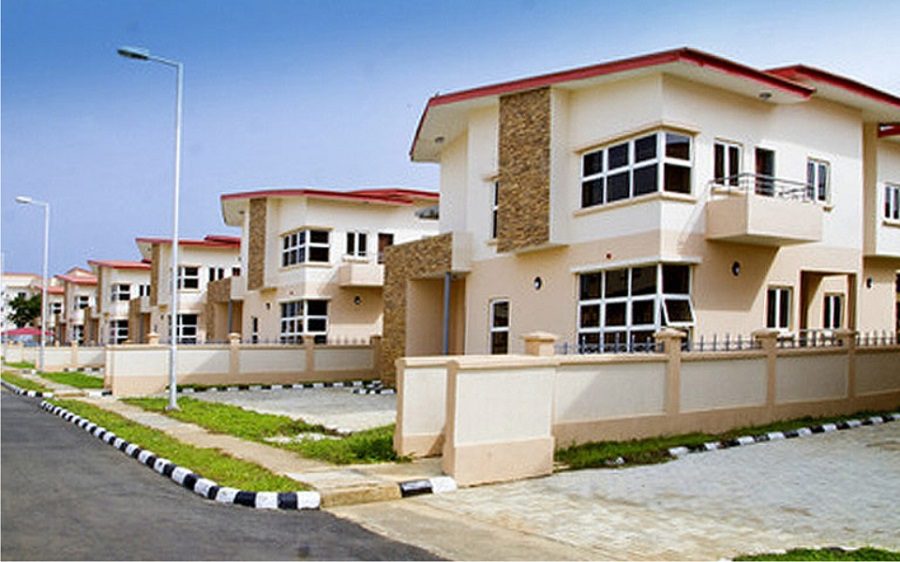
You might pick a set interest rate if overall rates are low when you purchase a home you're preparing on owning for a while.
What Is an Adjustable-Rate Mortgage?
Adjustable interest rates change throughout the loan's life. Usually, adjustable-rate mortgages (ARMs) begin in an introductory duration, where the loan's rate of interest stays the same for the first couple of months or years. After that period, the rate changes on a pre-programmed basis.
Adjustable interest rates are impacted by the index, which is a procedure of general rates of interest. When the rates of interest modifications, your month-to-month payments on an ARM may alter accordingly, depending upon your loan and the circumstances set by your lending institution. Adjustable rate of interest adjust on a set schedule.
On the regards to your adjustable-rate mortgage, you may see the modification rate written out as, for instance, 5/1. The first number is how numerous years the introductory duration will be - in this case, 5 years. The 2nd number is just how much time elapses in between rate adjustments - in this case, one year.
You might pick an ARM if you're only planning on owning your house for a couple of years. Since introductory rates often last for the first numerous years, you may be interested in buying a home with an ARM and then selling or re-financing before the introductory period ends. You might also select this kind of loan if you think rates of interest will continue to fall in the future.
How Are Rate Of Interest Determined?
Your mortgage lending institution provides you an interest rate based on how risky they believe providing cash to you will be. The riskier the loan, the greater the rate of interest.
Some factors affecting your rate of interest are within your control. The loan provider takes a look at how you manage cash and figures out how accountable you are with your finances. People who are more responsible are generally rewarded with lower interest rates.

Credit history
Your credit rating plays an important role in the rate of interest you receive. Your credit rating is a number usually ranging from 350 to 850 that suggests your credit and repayment history. The greater the number, the much better you are at repaying your loans and handling various lines of credit.
Mortgages are a kind of loan that often cover multiple decades. Your lender desires to make certain they can trust you to make regular payments over the life of the loan, even as your life and monetary circumstances change, as they're bound to over 30 years.
People with scores of 740 or higher tend to receive the most affordable interest rates. Conversely, the lower someone's rating is, the higher their rate of interest will be. People with credit report under 699 may also find it harder to be qualified for mortgage loans at all.
Even small distinctions in credit report can include up to 10s of thousands of dollars gradually. For circumstances, someone with a rating of 680-699 may have a rates of interest that's 0.399% greater than someone with a score of 760-850. If the mortgage is $244,000, the individual with a lower credit score would end up paying about $20,000 more in interest than the individual with the higher credit score.
To develop credit and build your credit rating, attempt the following tips:
Get a credit card: Build your credit report with smaller sized regular monthly payments on a charge card, keeping in mind the credit limit and rate of interest of your specific card to guarantee responsible costs.
Get numerous loans: Having a mix of credit can help enhance your credit rating. Reliably paying off car and student loans, for instance, is another way to reveal lenders you're currently a responsible debtor.
Report loans and other routine payments: If you have a charge card or other loans, those business and lending institutions ought to already be reporting your activity to credit bureaus. Additionally, if you're brand-new to developing credit, you can report your leasing and energy payments. Having a great history of paying lease and energies on time can often assist lenders see how responsible you are.
Similar to any financial undertaking, obligation is key. Settling your balances in complete and remaining on top of repayment schedules is extremely advised so you can develop excellent credit and avoid of debt.
Loan-To-Value Ratio
A loan-to-value ratio is the amount of the loan compared to the cost of what the loan is for. For example, a $20,000 down payment on a $100,000 home would leave you with a mortgage of $80,000. That implies your ratio would be 80% because you 'd be borrowing 80% of the home's worth.
The bigger your deposit, the lower the loan-to-value ratio, which typically leads to a lower rate of interest. The smaller sized your deposit, the greater the ratio, which is riskier for the loan provider, potentially resulting in a greater rates of interest for you.
Loan Term
In basic, although shorter-term loans have greater monthly payments than longer-term loans, settling a loan over a much shorter amount of time means you pay less interest, lowering the total cost you pay over the life of the loan. Because of this, shorter-term loans generally have interest rates that can be as much as 1% lower than those of longer-term loans.
Residential or commercial property and Location
The type of residential or commercial property you purchase might likewise impact your rate of interest. Loans on made houses and condominiums, in addition to financial investment residential or commercial properties and second homes, are typically riskier. Borrowers are more most likely to default on a loan - stop making regular payments - for residential or commercial properties that aren't their main residence or for houses on land they don't own. Riskier loans usually come with higher interest rates.
The place of your home you purchase might also impact your interest rate, as loan providers in some cases offer different rate of interest in different states or counties. The rates of interest for a house in a backwoods, for instance, might look different from the rate in a metropolitan location.
While you can take actions to be in excellent financial standing and prepare a home purchase with very little threat, some factors that can impact the interest rate you get are beyond your control, including the following two considerations.
The Economy
General financial growth suggests more individuals can pay for to buy houses. More buyers in the housing market suggest more people obtaining mortgages. For lending institutions to have adequate capital to lend to an increased variety of people, they require to drive rates of interest higher. In contrast, when the economy is sluggish, mortgage need reduces, and loan providers can offer lower rates of interest.
Inflation
When prices of items rise, a dollar loses buying power. A particular quantity of cash that could position a great down payment on a house 20 years earlier would cover a smaller sized portion of the rate of a similar home today. To make up for the routine shifts in inflation, lending institutions apply higher rate of interest to their loans.

As you check out buying a home, you may wish to watch on broad financial patterns, and, if possible, change your purchasing procedure to reflect times when the general market is providing lower rate of interest.
[download_section]
What Are the Similarities Between Fixed and Adjustable Rates?
Fixed-rate mortgages and ARMs are various loan types, however they both have the same ultimate objective - to assist you fund your imagine owning a home.
The same aspects determine the beginning interest rates of both kinds of mortgages. Your credit score and total financial circumstance, as well as general economic shifts, can help or prevent your capability to get a low rate. From there, you either keep that rate for the length of the loan or have it be your beginning point for future modifications.
What Are the Differences Between Fixed and Adjustable Rates?

The main difference between fixed and adjustable rate of interest is that repaired rates stay the exact same, while adjustable rates can fluctuate depending upon the marketplace. Some of the other major distinctions include:
Risk element: Since fixed-rate mortgages offer the same interest rate throughout of the loan, they're less dangerous than the unpredictability that can come with adjustable-rate mortgages.
Interest portions: Fixed-rate loans typically have higher rates of interest than the rates during ARM initial durations. After the introductory duration, however, ARM rates may increase higher than the repaired rates for equivalent loan situations.
Monthly payments: With fixed-rate loans, the month-to-month mortgage payments stay the exact same throughout the loan's life. With ARMs, your month-to-month mortgage payments will change to show the financial modifications that shift your rates of interest.
From 2008 to 2014, 85%-90% of homebuyers selected a fixed-rate mortgage, up from the historic percentage of 70%-75% of purchasers. In that exact same time span, 10%-15% of homebuyers chose an ARM, below the historic percentage of 25%-30% of buyers.
Despite the broad gap in those data, neither fixed- nor adjustable-rate mortgages are inherently better than the other, since all home-buying scenarios and financial scenarios are special. Both kinds of mortgages have benefits and drawbacks that you must think about due to your individual finances and requirements.
What Are the Pros of Fixed-Rate Mortgages?
Fixed rates of interest offer numerous benefits, consisting of:
Rate stability: If market interest rates are low when you get your mortgage, you'll keep that low rate throughout of your loan. You can strategically pay less in interest by purchasing a home while rate of interest are low.
Protection: A fixed rate protects you from sudden rises in market rates of interest.
Consistent payments: Fixed-rate mortgages permit you to create a constant budget plan due to the fact that your regular monthly payments remain the very same for as long as you own your home. You'll constantly have an excellent concept of what your housing expenses will be month to month and year to year.
What Are the Cons of Fixed-Rate Mortgages?
The greatest drawback of set rates of interest is the capacity for receiving a high interest rate for the entire life of your loan. If market interest rates are higher than average when you buy your house, you'll pay a high quantity of interest. Even if market rates drop after you've taken out your mortgage, you'll still need to pay the high rate you began with.
If you're interested in getting a fixed-rate mortgage, it could be valuable to keep an eye on the marketplace and wait for a time when the rate of interest are low before moving on with your home purchase.
What Are the Pros of Adjustable-Rate Mortgages?
When considering your loan options, you might pick an ARM over a fixed-rate mortgage for several reasons, consisting of:
Lower in advance expenses: When you first take out an ARM, the introductory rate is normally lower than the marketplace rate for an equivalent fixed-rate mortgage. The low fixed introductory rate provides you an excellent deal for the first couple of years. Lower initial payments might even let you get approved for a bigger loan, making it possible for you to buy your dream home.
Rising interest securities: Most ARMs have a rate cap, which keeps their interest rates from increasing above a set portion. The cap can be for each modification - so your rate never ever increases above a specific point each time it increases - or for the life of the loan, so your rate never winds up being more than a certain percentage total.
Future rate drops: The versatility of an ARM means your rates of interest could drop even lower at specific points in the future. This capacity for automatic drops lets you make the most of lower rates of interest without refinancing your loan.
What Are the Cons of Adjustable-Rate Mortgages?
Smart monetary choices look different for everybody. The disadvantages of ARMs include:
Future rate increases: While ARMs are appealing throughout times of low market rates, if rates unexpectedly rise, you might pay higher monthly payments than initially prepared.
Budgeting problems: Fluctuating interest rates suggest you'll make payments of differing quantities over the life of your loan, making it difficult to prepare ahead and understand precisely just how much you'll pay year to year. However, other total month-to-month payments associated with your house or residential or commercial property can still change from month to month, such as residential or commercial property taxes, property owners insurance coverage or mortgage insurance. If you're currently prepared to pay varying costs each month, you might feel more comfy with the changes in your loan payments due to adjustable rate of interest.
Unexpected rate increases: A drop in rate of interest does not constantly decrease your monthly payments after new adjustments dates. Some ARM interest-rate caps stop your rates from rising expensive simultaneously however may bring over the remaining portion points from previous increases to years where the rates of interest don't change much. So, even if you do not believe your interest will increase one year, it could increase anyhow due to overflow from previous years.
Additionally, many individuals take advantage of their low initial duration rate to buy a house they intend on selling before their rates alter and possibly rise. However, this plan is risky. Changes to your moving schedule or unexpected life occasions may suggest you'll own your current home for longer than you planned.
During this time, your adjustable rates of interest could increase beyond what you were preparing to pay. ARMs have plenty of benefits, however with unexpected market shifts, it's not safe to presume they will help you prevent paying more in the long run.
Why Would You Refinance to Change Your Rates Of Interest Type?
Refinancing a loan suggests securing a second mortgage and utilizing it to pay off and replace your first mortgage. Refinancing can be an essential choice to think about, particularly if your high interest rate has you wondering if you can get a much better deal. While refinancing is a major responsibility, it might serve you well depending upon the type of mortgage you already have.

The regards to your current loan and the state of the economy might make you desire to re-finance your mortgage and change the kind of loan in the process.
Adjustable to Fixed
There are potential benefits to changing from an adjustable-rate mortgage to a fixed-rate mortgage. The switch may set you up with a lower rate that you can keep for the staying duration of your loan. If you want to purchase a house while rates of interest are high, getting an ARM and refinancing to a fixed-rate mortgage when rate of interest decrease can be a cost-efficient solution.
Additionally, switching to a set rate can launch you from the unpredictability that comes along with adjustable rates of interest. If the economy increases or down, your brand-new repaired rate will stay the very same, which can benefit you - especially when adjustable interest rates increase.
Fixed to Adjustable
If you have a fixed-rate mortgage and desire to change your interest rate due to a drop in total rates or an enhancement to your credit report that would make you qualified for a lower rate, you would probably need to re-finance your loan.
If you're preparing on offering your home soon, nevertheless, refinancing to an adjustable-rate mortgage may not be the very best concept. Sometimes, refinancing features long-lasting advantages you get after a while. If you do not believe you'll own your home long enough to begin reaping those benefits, then sticking with your present loan is the smartest monetary alternative.
How Should You Prepare to Get one of the most Out of Your Mortgage?
As you embark on the journey of purchasing or re-financing a home, you'll want to be as ready as possible to get the very best rate of interest for your financial situation. When considering requesting a mortgage, keep the following tips in mind:
Build credit: Open new credit lines well in advance of making an application for a mortgage. By doing so, you'll have already-established credit that can assist you later on.
Look ahead: Consider any additional loans or significant expenses you may need to pay in the future. Think of whether making a big home purchase is the very best use of your financial resources at this time.
Let Assurance Financial Help You Find a Loan for Your Home
Buying a home is an exciting time in your life. Choosing the ideal mortgage for you and your household can help make the time spent in your brand-new home a lot more enjoyable.
Whether you're searching for a fixed-rate mortgage or thinking about the benefits of adjustable rates of interest, Assurance Financial is here to help. We will walk you through every action of the procedure, from choosing what type of mortgage is best for you to giving you all the info you need to use and get authorized for your mortgage.